


Imagine a playful ball of fur, bursting through the door with a wagging tail and a joyful bark, greeting you with unbridled enthusiasm after a long day. This isn’t just a scene from a heartwarming commercial; it’s the everyday reality of life with Mini Doodle dogs. These designer dogs are rapidly gaining popularity for their intelligence, playful spirit, and hypoallergenic qualities.
Mini Doodles come in a variety of adorable sizes and colorful coats, making them perfect companions for families of all shapes and sizes. Whether you’re an active individual seeking an energetic adventure buddy or a senior seeking a cuddly companion, a Mini Doodle might just be your perfect match.
So, buckle up and get ready to dive into the world of Mini Doodle dogs! This comprehensive guide will explore everything you need to know about these lovable pups, from their unique characteristics and caring needs to finding your perfect furry friend.
Understanding Mini Doodle Dogs: A Look Beyond the Adorable Facade
What is a Mini Doodle dog?
A Doodle dog is a term used to describe a crossbreed dog that is a mix between a Poodle and another dog breed. The term “doodle” has grown to become a catch-all term for any Poodle crossbreed. Given that Poodles come in three sizes – Standard, Miniature, and Toy – Doodles can vary greatly in size.
A Mini Doodle (or Miniature Doodle) is a charming mix between a Miniature Poodle and another purebred dog, such as Golden Retriever and Bernese Mountain Dog.
History & Origin
The concept of designer dogs (deliberately and meticulously combining specific breeds to achieve desired traits) emerged in the late 20th century. The rise of designer dogs paved the way for the creation of Mini Doodles.
Mini Doodle dogs quickly rose to stardom, capturing hearts with their appealing combination of aesthetics and temperament. Their exact origin stories remain somewhat unclear, but it’s believed that breeders intentionally crossed Miniature Poodles with other purebred dogs, such as Golden Retrievers, Cavalier King Charles Spaniels, and Poodles of different sizes, to create this unique and highly sought-after companion.
While their exact origin remains shrouded in mystery, Mini Doodles popularity has skyrocketed in recent decades due to their appealing size, hypoallergenic qualities, and affectionate personalities.
Mini Doodle Dogs Appearance & Traits
Mini Doodles, with their captivating eyes and playful demeanor, are undeniably adorable. But beyond the initial cuteness lies a diverse range of appearances and personality traits that contribute to their unique charm.
While the specific traits of each Mini Doodle will vary depending on the parent breeds, some common characteristics bind them together.
Let’s delve deeper into what makes these pups stand out.
Size & Weight:
One of the defining characteristics of Mini Doodle dogs is their compact size. However, it’s important to understand that their size can differ considerably due to the varying parent breeds involved in the mix. In fact, their size largely depends on the other purebred parent.
It’s crucial to remember that “Mini” doesn’t always guarantee miniature. Unethical breeding practices can result in oversized Mini Doodles, which can lead to health concerns later in life. Therefore, always prioritize ethical breeders who prioritize responsible, healthy breeding practices and focus on maintaining the recommended size range for the well-being of the dogs.
A Mini Doodle is essentially similar to a Toy or Standard Doodle in most aspects. They are smaller than Standard Doodles yet larger than Toy Doodles.
Typically, Mini Doodle dogs fall within the range of 12-22 inches tall at the shoulder and 13-50 pounds in weight. To visualize their size, imagine a teacup for smaller Mini Doodles and a nightstand for larger ones.
Here is a size chart for your reference, comparing various Poodle and Doodle sizes:
| Dog Type | Height | Weight |
|---|---|---|
| Standard Poodle | 18-24 inches | 40-70 pounds |
| Standard Doodle | over 21 inches | over 50 pounds |
| Medium Poodle | 15-20 inches | 20-30 pounds |
| Medium Doodle | 20-29 inches | 30-45 pounds |
| Miniature Poodle | 10-15 inches | 10-15 pounds |
| Mini Doodle | 12-22 inches | 13-50 pounds |
| Toy Poodle | Up to 10 inches | 4-6 pounds |
| Toy Doodle | Up to 10 inches | 4-15 pounds |
Coat Type & Color:
Mini Doodles are renowned for their low-shedding or non-shedding coats, inheriting this desirable trait from their Poodle parent. This makes them ideal companions for allergy sufferers who still crave the joy of canine companionship.
Their coat types can range from curly and bouncy like a Poodle’s to wavy and softer or even a combination of both.
When it comes to color, the possibilities are endless, with brown, black, white, gold being some of the most common, and often appearing in beautiful combinations.
It’s important to note that multigenerational Mini Doodles, meaning those bred from other Mini Doodles rather than directly from a Poodle and another breed, may have increased shedding and require more frequent brushing.
F1 vs. Multigenerational Mini Doodles:
The term “F1” refers to the first generation of a specific breed mix, in this case, the offspring directly from a Poodle and another purebred breed.
Multigenerational Mini Doodles, on the other hand, are bred from Mini Doodles themselves, potentially involving further mixing with other breeds over several generations. This generational difference can slightly impact their size and coat type:
- F1 Mini Doodles: Often exhibit a more predictable size and coat type based on the parent breeds.
- Multigenerational Mini Doodles: May have a wider range of size variations and potentially shed more depending on the specific breeds involved in their lineage.
It’s crucial to inquire about the specific breeding practices and generations of the Mini Doodle you’re interested in to get a better understanding of their potential size and coat characteristics.
Temperament & Personality:
Mini Doodles are known for their enchanting personalities, making them beloved family companions.
Here are some key aspects of their temperament:
- Playful & Energetic: Mini Doodles are bundles of joy, bursting with energy and a love for playtime. They excel at interactive games like fetch and agility training, keeping their owners entertained and active. Their energetic spirit and love of play make them ideal companions for active individuals and families with children. Daily walks, playtime, and interactive games are essential for their physical and mental well-being.
- Intelligent & Trainable: Their eagerness to please and sharp minds make them highly trainable dogs. Positive reinforcement methods with treats, praise, and clickers are recommended to effectively establish basic commands and desired behaviors.
- Affectionate & Loyal: Mini Doodles are known for forming strong bonds with their families and crave attention and interaction. They thrive on human companionship and are often described as loving and loyal companions.
However, it’s important to understand that Mini Doodles can also possess a touch of stubbornness. Consistent and patient training, along with providing them with sufficient mental stimulation, is crucial to ensure a well-behaved and happy companion.
Top 10 Mini Doodle Dogs
Mini Doodle breeds usually derive their names by merging the names of the parent breeds used in the crossbreeding process. The name begins with the purebred parent’s name, the suffix “Doodle” or “Poo” follows to denote their Poodle lineage within the crossbreed. This naming convention helps to indicate the lineage of the dog and provides insight into its potential characteristics based on the traits of the parent breeds.
Here’s a closer look at the most popular Mini Doodle dogs:
1. Mini Goldendoodle

- Parent Breeds: Golden Retriever + Miniature Poodle.
- Height: 13 to 20 inches tall.
- Weight: 15 to 35 pounds.
- Average lifespan: 12 to 16 years.
- Temperament: Affectionate, gentle, intelligent, playful, outgoing, and eager to please.
- Suitability: Families with children, active individuals seeking a jogging or hiking companion, first-time dog owners due to their trainability, suitable for apartments and smaller homes.
2. Mini Bernedoodle

- Parent Breeds: Bernese Mountain Dog + Miniature Poodle.
- Height: 18 to 22 inches tall.
- Weight: 25 to 50 pounds.
- Average lifespan: 14 to 16 years.
- Temperament: Loyal, playful, adaptable, and calm demeanor.
- Suitability: Any type of lifestyle, families with children, individuals with space for an active dog who enjoys outdoor adventures.
3. Mini Labradoodle

- Parent Breeds: Labrador Retriever + Miniature Poodle.
- Height: 13 to 17 inches tall.
- Weight: 15 to 25 pounds.
- Average lifespan: 12 to 15 years.
- Temperament: Intelligent, easy to train, energetic, out-going and affectionate dogs.
- Suitability: Good companions for active households, great with children if socialized properly.
4. Mini Bordoodle
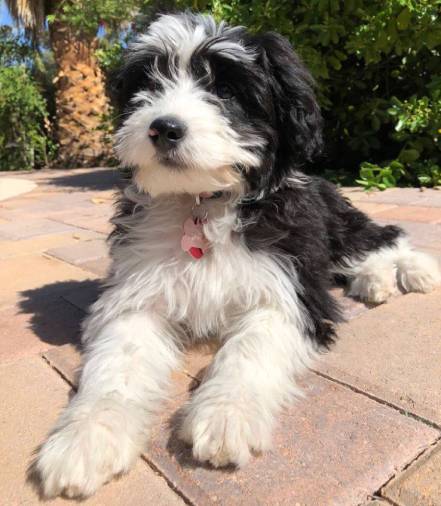
- Parent Breeds: Border Collie + Miniature Poodle.
- Height: 12 to 20 inches tall.
- Weight: 30 to 45 pounds.
- Average lifespan: 12 to 15 years.
- Temperament: Intelligent, sociable, affectionate, and loyal.
- Suitability: Well-suited for active families and get along with children and other pets.
5. Mini Aussiedoodle
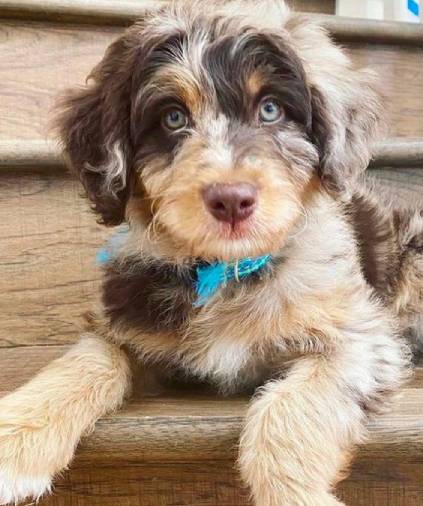
- Parent Breeds: Australian Shepherd + Miniature Poodle.
- Height: 12 to 18 inches tall.
- Weight: 15 to 35 pounds.
- Average lifespan: 12 to 15 years.
- Temperament: Intelligent, energetic, outgoing, loving, loyal.
- Suitability: Apartment living, active families or individuals.
6. Mini Sheepadoodle

- Parent Breeds: Old English Sheepdog + Miniature Poodle.
- Height: 15 to 20 inches tall.
- Weight: 25 to 35 pounds.
- Average lifespan: 12 to 15 years.
- Temperament: Social, lovable, cheerful, playful, goofy, energetic, intelligent, obedient.
- Suitability: For families, singles, and first-time pet owners, adaptable to various living environments, including small apartments and large homes.
7. Mini Cavapoo

- Parent Breeds: Cavalier King Charles Spaniel + Miniature Poodle.
- Height: 12 to 16 inches tall.
- Weight: 13 to 25 pounds.
- Average lifespan: 12 to 15 years.
- Temperament: Sweet-natured, friendly, cuddly, calm, low-energy, and affectionate.
- Suitability: Families with children and calm lifestyles, seniors seeking companionship, individuals in apartments due to their smaller size and lower exercise needs.
8. Mini Cockapoo
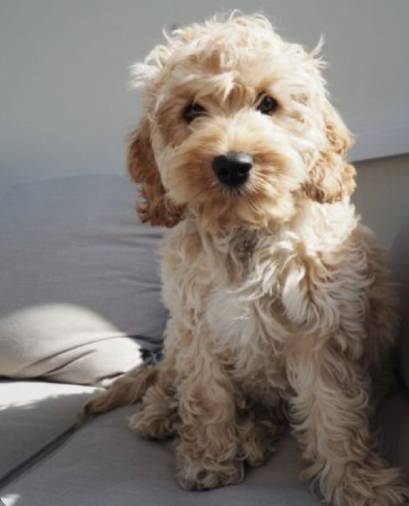
- Parent Breeds: Cocker Spaniel + Miniature or Toy Poodle.
- Height: 11 to 15 inches tall.
- Weight: 13 to 25 pounds.
- Average lifespan: 12 to 16 years.
- Temperament: friendly, affectionate, intelligent, easy to train, highly social, and high-energy.
- Suitability: Families with children and first-time dog owners, apartments as well as larger homes, good with other pets and children.
9. Mini Irish Doodle
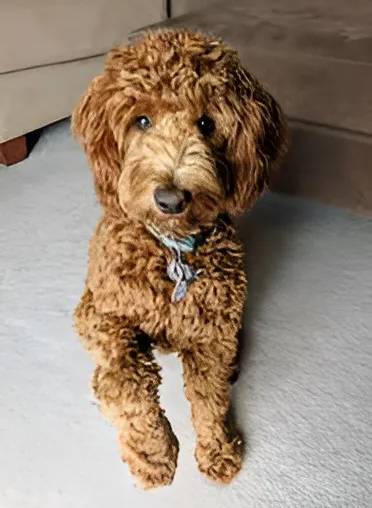
- Parent Breeds: Irish Setter + Miniature Poodle.
- Height: 12 to 17 inches tall.
- Weight: 25 to 35 pounds.
- Average lifespan: 10 to 15 years.
- Temperament: Intelligent, loyal, playful, gentle, sweet, friendly, social, and affectionate.
- Suitability: Suitable for families with children, active seniors, and single owners, perfect for novice owners.
10. Mini Schnoodle

- Parent Breeds: Miniature Schnauzer + Miniature Poodle.
- Height: 12 to 15 inches tall.
- Weight: 13 to 20 pounds.
- Average lifespan: 12 to 16 years.
- Temperament: Intelligent, loyal, fearless, alert, energetic, fun loving, friendly, affectionate.
- Suitability: Excellent family pets, great companions for single owners, good therapy dogs.
These are just a few examples, and the possibilities for Mini Doodle mixes are extensive. Other Mini Doodle mixes like Pomapoos, Shihpoos, Yorkiepoos, and Maltipoos exist, each with its own unique set of characteristics. Remember, researching the specific breed mix you’re interested in is crucial to understand their individual needs and ensure a perfect match for your lifestyle.
Caring for Your Mini Doodle: A Guide to a Happy and Healthy Companion
Welcoming a Mini Doodle into your life isn’t just about the playful moments; it’s a commitment to providing them with the care and attention they need to thrive. This section delves into the essential aspects of Mini Doodle care, ensuring your furry friend lives a long and happy life.
Grooming
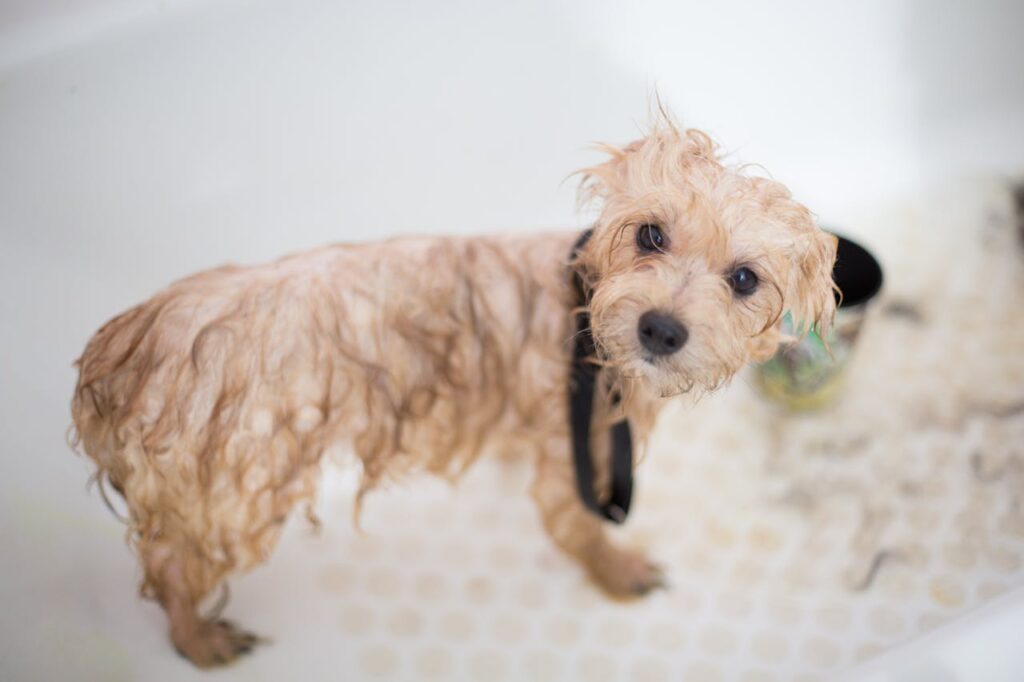
Maintaining your Mini Doodle’s beautiful coat requires regular grooming, but it’s not an overly demanding task.
Here’s a breakdown of the key points:
- Brushing: Regular brushing, 2-3 times per week, is crucial to prevent matting and maintain a healthy coat. Opt for a slicker brush for curly coats and a pin brush for straighter ones, gently removing tangles and loose fur.
- Bathing: While frequent baths aren’t necessary, bathe your Mini Doodle every 6-8 weeks or as needed with a gentle, dog-specific shampoo suitable for their sensitive skin. Thoroughly dry them with a blow dryer on low heat to prevent moisture buildup and skin irritation.
- Professional Grooming: Consider scheduling professional grooming sessions every 6-8 weeks, especially for Mini Doodles with longer or more complex coat types. These professionals can provide a thorough clean, haircut, and nail trimming, ensuring your dog looks and feels their best.
Exercise

Mini Doodles may be compact, but they are energetic and require daily exercise to maintain their physical and mental well-being. The amount of exercise needed will vary depending on their age, breed (some Mini Bernedoodles might require more activity than Mini Cavapoos), and energy level (puppies vs. adult dogs).
- Aim for at least 30-60 minutes of daily exercise, which can include walks, playtime in the park, interactive games like fetch or agility training, and even swimming for certain breeds.
- Mental stimulation is equally important. Puzzle toys, training sessions, and interactive play can help prevent boredom and destructive behaviors, keeping your Mini Doodle mentally engaged and happy.
Remember, a tired Mini Doodle is a well-behaved Mini Doodle! Engaging them in regular exercise and mental stimulation will not only benefit their physical health but also promote positive behavior and a strong bond with their owner.
Diet
Providing your Mini Doodle with a balanced and nutritious diet is essential for their overall health and well-being. Here are some key points to remember:
- Consult your veterinarian: They are the best resource to recommend a diet appropriate for your Mini Doodle’s age, activity level, breed (specific breeds might have unique dietary needs like Mini Bernedoodles potentially requiring more protein), and any specific needs like allergies.
- Nutritional considerations: Focus on a diet rich in protein for muscle development, healthy fats for energy, essential vitamins and minerals for overall health, and fiber for digestion.
- Dietary restrictions & allergies: Certain Mini Doodles might have food allergies or sensitivities requiring specialized food. Consult your veterinarian before making any dietary changes, especially if you suspect allergies.
Training
Training your Mini Doodle is an essential part of building a strong bond and ensuring a well-behaved companion. These intelligent and eager-to-please dogs respond well to positive reinforcement training methods.
Here are some key aspects to remember:
- Socialization: Early socialization from a young age (puppyhood) is crucial. This involves exposing your Mini Doodle to different people, animals, environments, and sounds in a controlled and positive manner. This helps them become comfortable with various situations and reduces the likelihood of fear-based behaviors in the future.
- Obedience training: Positive reinforcement methods using treats, praise, and clickers are highly effective for teaching basic commands (sit, stay, come, etc.) and desired behaviors. Be patient and consistent with your training, as repetition and positive reinforcement are key to success.
- Professional training: Consider enrolling in professional training classes if you’re a first-time dog owner or encounter specific challenges. These classes can provide valuable guidance, support, and structure for both you and your Mini Doodle.
Training is an ongoing process that requires patience, consistency, and positive reinforcement. By investing time and effort into training your Mini Doodle, you’ll establish a strong communication bond and ensure a happy and well-adjusted companion for years to come.
Living with a Mini Doodle: Joys, Challenges, and Considerations
Life with a Mini Doodle is a whirlwind of playful antics, unconditional love, and furry companionship.
Welcoming a Mini Doodle into your life isn’t just about bringing home a furry friend; it’s about embracing a new family member with unique needs and quirks. This section explores the joys and challenges of living with a Mini Doodle, helping you make an informed decision about this exciting journey.
Joys of Mini Doodle Ownership:
Mini Doodles bring a multitude of joys to their families, enriching lives in countless ways:
- Unconditional love and companionship: Mini Doodles are renowned for their affectionate nature and strong bonds with their families. They offer constant companionship, greeting you with enthusiasm after a long day and showering you with unconditional love.
- Playful entertainment: Their playful spirit and energetic nature are sure to bring laughter and joy into your life. Whether engaging in interactive games or simply enjoying their playful antics, Mini Doodles offer endless entertainment and amusement.
- Active lifestyle: Mini Doodles often require daily walks and playtime, which can encourage you to adopt a more active lifestyle. Whether exploring new trails or simply throwing a frisbee in the park, your Mini Doodle can be your enthusiastic partner in outdoor adventures.
Potential Challenges:
While Mini Doodles are undeniably charming, they also have certain needs and tendencies that can pose challenges for some owners:
- Barking: Mini Doodles can be prone to barking, especially if they feel bored, lonely, or alerted by unfamiliar sights or sounds. Addressing the underlying causes through proper training, socialization, and providing sufficient mental and physical stimulation can help manage excessive barking.
- Separation anxiety: Some Mini Doodles may experience separation anxiety when left alone, exhibiting behaviors like excessive whining, pacing, or destructive chewing. Crate training, providing stimulating toys when left alone, and gradually increasing alone time can help manage this anxiety.
- Chewing: Chewing is a natural puppy behavior, and Mini Doodles are no exception. You can curb unwanted chewing by providing appropriate chew toys. You may offer alternative chewing options like frozen Kong toys stuffed with healthy treats. You will also need to redirect behavior with positive reinforcement and address potential boredom or anxiety through proper exercise and mental stimulation.
By understanding these potential challenges and being prepared to address them proactively, you can ensure a harmonious and fulfilling life for both you and your Mini Doodle companion.
Is a Mini Doodle Right for You? Considering Compatibility and Commitment

Here’s a breakdown of key factors to consider:
Lifestyle & Living Situation:
Mini Doodles may be small, but they require dedicated time, attention, and care. Carefully consider your living situation and daily routine to determine if you can accommodate their needs.
- Living space: While Mini Doodles can adapt to apartments, having a backyard or access to green spaces can greatly benefit their exercise needs and playful spirit.
- Activity level: Mini Doodles are energetic and require daily walks, playtime, and mental stimulation. Do you have an active lifestyle that can incorporate their exercise needs? If you lead a more sedentary life, a Mini Doodle might not be the ideal fit.
- Time commitment: Mini Doodles require training, grooming, walks, playtime, and overall attention. Can you dedicate sufficient time each day to meet their needs and build a strong bond? Owning a dog is a long-term commitment, not a temporary decision.
Financial Considerations:
Owning a dog comes with financial responsibility. Here are some aspects to consider:
- Food: High-quality dog food is essential for your Mini Doodle’s health. Consider the ongoing cost of food that meets their breed and age-specific needs.
- Veterinary care: Regular checkups, preventive medications, and potential unexpected vet visits are all part of responsible dog ownership. Factor in the cost of veterinary care and potential pet insurance when making your decision.
- Training: While you can train your Mini Doodle yourself, professional training classes can be beneficial. Consider the potential cost of training if you choose this route.
- Grooming: Regular grooming, especially for Mini Doodles with longer or more complex coats, can add to the ongoing costs. Consider budgeting for professional grooming services or the supplies needed for at-home grooming.
Presence of Children or Other Pets:
Mini Doodles can make wonderful companions for kids. Their playful and affectionate nature often aligns well with the energy and enthusiasm of children. This creates opportunities for delightful interactions and lasting bonds.
However, it’s imperative to emphasize the necessity of supervision when children interact with Mini Doodles, particularly younger ones, to ensure the safety and well-being of both the child and the dog.
Additionally, if you already have other pets in your household, proper introductions and socialization are essential. Mini Doodles, like any other breed, may need time to adjust to the presence of unfamiliar animals in their environment. Patient and gradual introductions, under controlled circumstances, can facilitate positive relationships between Mini Doodles and other pets, which leads to a harmonious coexistence within the household. Mini Doodles can thrive in multi-pet households.
Consistent supervision and proactive management of interactions between pets can help prevent conflicts and promote a peaceful and balanced living environment for all members of the furry family.
Finding Your Mini Doodle: Responsible Breeders and Adoption Options

Finding the right pup requires careful research and consideration of both ethical breeding practices and responsible adoption alternatives.
Responsible Breeders:
If you choose to go through a breeder, prioritize finding one who adheres to ethical breeding practices. Here are some key points to remember:
- Health testing: Reputable breeders perform extensive health testing on parent dogs before breeding to screen for genetic diseases common in their respective breeds. This helps ensure the health and well-being of future generations of puppies.
- Proper socialization: Responsible breeders understand the importance of early socialization and provide their puppies with positive experiences with different people, animals, environments, and sounds from a young age. This socialization sets the foundation for well-adjusted and confident dogs.
- Transparency and willingness to answer questions: Ethical breeders are transparent about their breeding practices and readily answer your questions about the parents, their health clearances, the living conditions of the puppies, and their overall breeding philosophy.
Finding a Responsible Breeder:
- Kennel certifications: Look for breeders with certifications from reputable kennel clubs, such as the American Kennel Club (AKC) or the Canadian Kennel Club (CKC). While not a guarantee of ethical breeding, these certifications indicate a commitment to breed standards and responsible practices.
- Online resources: Utilize online resources dedicated to ethical breeders, such as the AKC Marketplace or the Breeders List website (check this list), to find breeders in your area.
- Visiting the breeding facility: If possible, schedule a visit to the breeding facility to assess the living conditions of the parent dogs and puppies firsthand. Observe the breeder’s interaction with the dogs and ask questions about their breeding practices and philosophy.
Adoption & Rescue:
Another rewarding option is adopting a Mini Doodle from a shelter or rescue organization.
Benefits of adoption:
Saving a life: Adoption gives a loving home to a dog in need, often offering a second chance to a deserving animal. Many shelters and rescues have dogs of various ages, breeds, and mixes, including Mini Doodles or similar breeds.
Potential for a pre-trained and socialized dog: Many adopted dogs are already house-trained and socialized, making the transition to their new home smoother.
Finding an adoption organization:
Search online for shelters or rescue organizations specializing in Mini Doodles or similar breeds in your area.
Here are some reputable places and resources to consider:
- Doodle Rescue Collective
- IDOG Rescue
- For the Love of Poodles and Pooches Rescue
- Goldendoodle Foundation
- Doodle Rock Rescue
- Doodle Dandy Rescue
- Petfinder
How Much Does a Mini Doodle Cost?
Initial Adoption or Purchase Cost:
The initial cost of welcoming a Mini Doodle can vary significantly depending on several factors:
- Source: The price can differ greatly depending on whether you choose a reputable breeder or adopt from a shelter or rescue.
- Breeders: Responsible breeders typically charge between $2,000 and $5,000, or even higher, for a Mini Doodle puppy. This price reflects the costs associated with ethical breeding practices like health testing, proper socialization, and high-quality care for the parent dogs and puppies.
- Shelters & Rescues: Adoption fees from shelters or rescues are significantly lower, typically ranging from $150 to $500. These fees often cover the cost of spaying/neutering, vaccinations, and microchipping, making adoption a more affordable option.
- Breed Mix: Specific breed mixes within the Mini Doodle category might influence the price depending on their popularity and availability. Certain Mini Doodle mixes, like those involving rarer breeds like Goldendoodles or Aussiedoodles, might command higher prices compared to mixes with more common breeds.
Beyond the Initial Cost: Ongoing Expenses:
Owning a Mini Doodle involves ongoing expenses that go beyond the initial adoption or purchase fee. Here’s a breakdown of some key costs to factor in:
- Food: The cost of food can vary depending on the quality and brand you choose. Expect to spend $50 to $100 per month on high-quality dog food for your Mini Doodle.
- Veterinary Care: Budget $500 to $1,000 per year for basic veterinary care. Be prepared for potential emergencies that might require additional costs.
- Pet Insurance: While not mandatory, pet insurance can provide financial assistance in case of unexpected illnesses or accidents. Premiums can vary depending on your location, breed, and the level of coverage chosen.
- Training: Investing in professional training classes can be beneficial, especially for first-time dog owners. Group classes typically cost around $50 to $100 per session, while private training sessions can range from $75 to $150 per hour.
- Grooming: Professional grooming every 6-8 weeks can cost anywhere from $50 to $100 per session. You can also choose to groom your Mini Doodle yourself, but factor in the cost of necessary grooming tools and high-quality shampoo.
- Other Expenses: Additional expenses might include toys, treats, bedding, leashes, collars, waste disposal bags, and potential boarding or pet sitting services if needed.
Final Thoughts
Mini Doodle dogs are captivating companions. They offer a delightful blend of intelligence, playfulness, and affection. They can enrich your life with their boundless energy, loyalty, and eagerness to please. However, welcoming any dog into your life is a significant commitment, and Mini Doodles are no exception.
Before bringing a Mini Doodle dog home, carefully consider your lifestyle, living situation, and financial resources to ensure you can provide them with the love, care, and training they deserve throughout their lifespan.
Responsible pet ownership starts with making informed decisions. Whether you choose to adopt a Mini Doodle from a shelter or rescue or acquire one from a reputable breeder who prioritizes ethical practices, remember that every dog deserves a loving and responsible home.
With dedication, patience, and a commitment to their well-being, you can build a lifelong bond with your furry Mini Doodle companion. You can create countless memories filled with joy, laughter, and unconditional love.
So, continue researching. Connect with Mini Doodle owners or breeders in your area. Approach pet ownership with an open heart and a commitment to providing your future canine companion with a happy and healthy life.
Frequently Asked Questions
How big does a Mini Doodle get?
Mini Doodle dogs typically stand between 11-22 inches tall at the shoulder and weigh 13-50 pounds.
How small are Mini Doodle Dogs?
They are considered compact dogs but size can vary depending on the parent breeds. Teacup Mini Doodles might be on the smaller side, while some can be closer to medium-sized dogs.
What is the lifespan of a Mini Doodle?
The average lifespan of a Mini Doodle is generally between 10-16 years with proper care.
Do Mini Doodles shed?
Mini Doodles are known for low or non-shedding coats, inheriting this trait from their Poodle parent. However, some multigenerational Mini Doodles might shed more.
Are Mini Doodle dogs hypoallergenic?
While no dog is truly hypoallergenic, Mini Doodles produce minimal dander, making them a good option for many allergy sufferers.
Are Mini Doodles good dogs?
Mini Doodles can be fantastic companions! They are intelligent, playful, and affectionate. However, “good” depends on your lifestyle and expectations. Responsible pet ownership requires meeting their needs for exercise, training, and mental stimulation.
Are Mini Doodles good with children?
With proper supervision and socialization, Mini Doodles can be wonderful companions for children due to their gentle and playful nature.
Are Mini Doodle dogs suitable for families?
Many Mini Doodles can thrive in families due to their affectionate and playful personalities. However, consider factors like the dog’s energy level and the age of the children to ensure a good fit.
Are all Mini Doodles a fit for apartment living?
While adaptable, some Mini Doodles, especially those with higher energy levels, might require more space than an apartment can offer. Consider their exercise needs and choose a breed that matches your living situation.
Do Mini Doodles bark a lot?
Any dog can bark excessively if bored, lonely, or not properly trained. Providing exercise, mental stimulation, and addressing the underlying cause can help manage barking.
Why are Mini Doodles so expensive?
Reputable breeders invest in health testing, proper care for parent dogs and puppies, and ethical breeding practices. These factors contribute to the higher price point compared to adoption.