

Ever found yourself anxiously eyeing the clock, wondering just how long your furry friend can hold their bladder? Or perhaps you’re a curious canine enthusiast seeking to understand the remarkable physiological capabilities of our four-legged companions. Well, let me tell you, dogs have some pretty amazing bladder control! If you’re interested in learning more about how long dogs can hold their pee, keep reading to discover some fascinating facts!
In this article, we’ll explore the fascinating aspect of canine biology together to answer the burning question: “How long can dogs hold their pee?”
We’ll talk about how long dogs can actually hold their pee. We’ll delve deeper into how you can help your canine companion maintain proper bladder control while keeping your home clean and odor-free. This includes addressing issues such as dog pees, urine marking, and preventing unwanted peeing.
So get ready to discover the remarkable resilience of our furry friends as we uncover the truth about how long dogs can truly hold their pee.
Understanding Dogs’ Bladder Control
Understanding dog’s urination process is important for their overall health because they rely on us to provide them with opportunities to relieve themselves. Knowing how long dogs can hold their pee is crucial for responsible pet ownership. It not only helps prevent accidents and discomfort but also ensures that our furry friends receive the proper care and management of their urinary needs. However, it’s important to note that the ability to hold urine varies among different dog breeds and sizes, including puppies.
Variations in Bladder Control
Dogs owners should understand that canines have different levels of bladder control just like humans. These variations in bladder control are due to several factors that pet owners should be aware of. Understanding these factors is crucial for maintaining your pup’s urinary health.
Factors Affecting a Dog’s Bladder Holding Capacity
Dogs typically need to urinate every few hours, but the exact time can vary depending on individual factors. Several factors, such as the size of the bladder and the age of canines, can influence how long they can hold their pee effectively.
Age
Age plays a significant role in determining how long a dog can hold its pee. Puppies generally have less bladder control than adult dogs. They have less developed bladder muscles and limited control over their bodily functions, including urinating. As they grow older and reach adulthood, they gradually gain better bladder control, reducing the frequency of urine marking. So, puppies have smaller bladders and may need more frequent bathroom breaks compared to adult dogs.
Just like humans, aging can affect a dog’s ability to hold pee for extended periods. Senior dogs may experience weakened bladder muscles or conditions such as urinary incontinence, which can affect their ability to hold urine for a long time. They may require more frequent trips outside or access to indoor pads if they struggle with mobility. It is crucial for pet owners with senior dogs to understand their specific needs and provide appropriate care and accommodations.
Breed and Size
Bladder capacity varies among different breeds and sizes of dogs. Small breeds are known for having petite frames and correspondingly smaller bladders. Due to their limited bladder space, these dogs cannot hold urine for as long as larger breeds. As a result, they require more frequent potty breaks throughout the day. Moreover, smaller breeds typically have a higher metabolic rate, leading to faster digestion and elimination processes.
On the other end of the spectrum, larger breed dogs boast substantial physical stature along with roomier bladders. For example, a Chihuahua or a Toy Poodle might need to go outside every few hours, while a Labrador Retriever could potentially hold it for longer periods. Certain breeds are known for having weaker bladder muscles or being prone to specific urinary issues.
Gender
Male dogs tend to have slightly smaller bladders than female dogs of the same size. This means that male dogs may need more frequent bathroom breaks compared to their female counterparts.
Health Conditions and Hydration
A dog’s overall health and hydration levels can impact their ability to hold their pee. Certain medical conditions can affect a dog’s bladder control and increase the frequency of urination. For instance, urinary tract infections (UTIs) can cause discomfort and urgency in dogs, leading to more frequent trips outside. Diseases such as diabetes or kidney problems can impact a dog’s ability to regulate urine production effectively. Similarly, dehydration can cause concentrated urine, leading to more frequent bathroom breaks.
Moreover, neurological disorders or hormonal imbalances can also impact a dog’s ability to hold their pee. Spaying or neutering your furry friend alters their hormone levels, which can affect their ability to hold urine. In some cases, this may lead to increased frequency of urination. It’s important to consult with your veterinarian about the potential effects of these procedures on your dog’s bladder control. They can provide guidance on managing any potential changes in urination habits.
Medications
Some medications may affect a dog’s bladder control as a side effect. It is essential to consult with your veterinarian if you notice any changes in your pooch’s urination patterns after starting new medication.
Dietary Habits
Diet is another crucial factor that affects urination frequency in dogs. Diets high in moisture content or sodium can increase urine production and result in more frequent peeing. Foods with high water content may increase the need for more frequent bathroom breaks.
Anxiety and Stress
Anxiety or stress can have an impact on a dog’s urinary habits as well. Just like humans, dogs may experience increased urination when feeling anxious or stressed. This could be due to the release of stress hormones that stimulate the bladder muscles and result in more frequent trips outside.
If you notice your dog exhibiting signs of anxiety or stress-related urination issues, it’s essential to address the underlying causes and provide them with appropriate support. Provide them with a calm and secure environment, engage them in regular exercise, and consider behavioral training techniques to help alleviate their anxiety.
Activity Level
The activity level of your dog can affect how often they need to pee. Regular exercise helps stimulate bowel movements and urination in dogs. More active dogs tend to drink more water and consequently need more frequent bathroom breaks.
Training
Proper training plays a vital part in a dog’s ability to hold their pee. Well-trained dogs understand when and where it is appropriate to relieve themselves. Consistent potty training helps establish good habits and teaches dogs how long they should try to hold their urine between bathroom breaks.
Significance of Urine Marking

Urine marking is a behavior that dogs use to communicate with other dogs and mark their territory. It’s different from when dogs relieve themselves. When dogs urine mark, they are not actually emptying their bladders like when they pee. Instead, urine marking is more like leaving a message for other dogs. It’s like saying, “Hey, this is my spot!” or “I’ve been here before!”
Dogs use urine marking to establish their presence and communicate with other dogs in the area. They do this by releasing small amounts of urine on vertical surfaces like trees, bushes, walls, or even furniture. This behavior is more common in male dogs who are intact (not neutered), but female dogs can also engage in urine marking. So, next time you see your dog lifting his leg on a tree or a fire hydrant, remember that he’s not just relieving himself, he’s also leaving his mark for other dogs to see!
Comparing Humans and Dogs: Can Dogs Hold Their Pee Longer Than Humans?
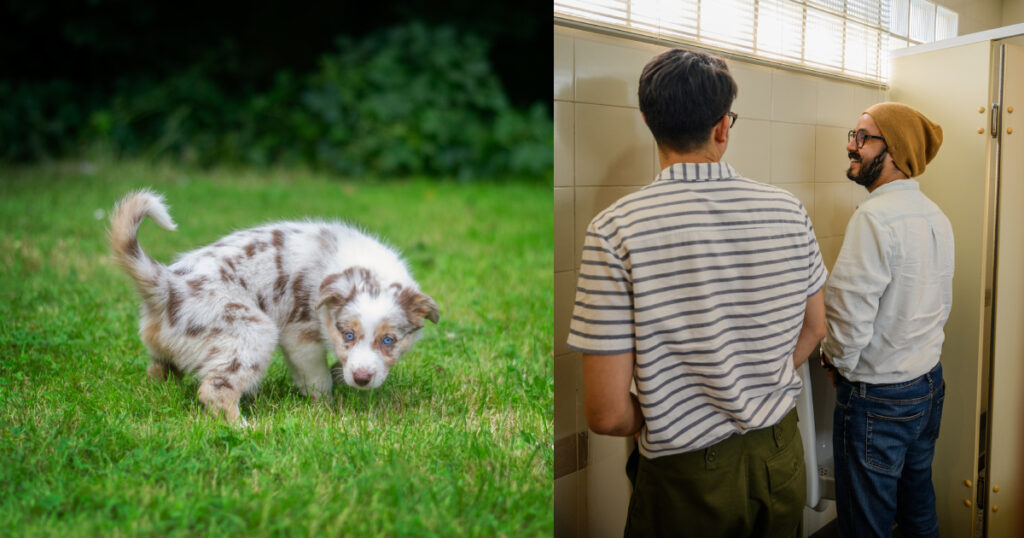
Dogs, being canines, have evolved with remarkable bladder control that often surpasses that of humans. While humans typically need to relieve themselves every few hours, dogs can hold it longer in most cases. However, it is important to note that individual differences exist between both species.
One of the primary reasons why dogs generally have better bladder control than humans is due to their evolutionary adaptations. In the wild, where access to water may be limited, dogs have developed the ability to retain urine for extended periods. This adaptation allows them to conserve water and survive in harsh environments.
In addition to their evolutionary advantages, there are other factors that contribute to a dog’s ability to hold their pee for longer durations. For instance, females tend to have better bladder control compared to males. This is because female dogs have a larger urethral opening which facilitates more efficient urine flow and reduces the likelihood of leakage or accidents.
While there are general trends regarding dogs’ bladder control, it is essential not to make sweeping comparisons between all dogs and humans. Each dog has unique characteristics and requirements that should be taken into consideration.
It is worth noting that although dogs may have an advantage over humans in terms of holding capacity; this does not mean they should be expected or forced to endure discomfort for prolonged periods without relief. Just like humans, dogs need regular bathroom breaks throughout the day to maintain their health and well-being.
How Long Can Dogs Hold Their Pee?
Daytime Holding: How Long Can Dogs Hold Their Pee During the Day?
Dogs can typically hold their pee for 6 to 8 hours during the day without discomfort or accidents if properly trained and provided with regular opportunities to relieve themselves outside. This duration may vary depending on factors such as age, size, health conditions, and individual habits.
Overnight Holding: Can Dogs Hold Their Pee for Hours?
Dogs are remarkable creatures with incredible bladder control. They can typically manage for around 8 hours without needing a bathroom break. However, proper overnight potty training is essential to ensure your furry friend remains comfortable and accident-free throughout the night.
Typical Holding Times Chart
Dogs have varying abilities to hold their pee depending on their age, size, and individual factors. It is important for dog owners to understand the typical holding times for different stages of a dog’s life to ensure their pet’s comfort and well-being.
| Age Group | Small Breeds (e.g., Chihuahua, Dachshund) | Medium Breeds (e.g., Beagle, Bulldog) | Large Breeds (e.g., Labrador Retriever, German Shepherd) | Giant Breeds (e.g., Great Dane, Saint Bernard) |
| Puppy under 1 month | No bladder control | No bladder control | No bladder control | No bladder control |
| Puppy of 2 months | 0.5-1 hour | 1-2 hours | 1-2 hours | 2 hours |
| Puppy of 3-4 months | 1.5-2 hours | 3-4 hours | 3-4 hours | 3-4 hours |
| Puppy of 5 months | 2-4 hours | 3-5 hours | 4-5 hours | 4-5 hours |
| Puppy of 6 months | 3-5 hours | 4-6 hours | 6-7 hours | 6-7 hours |
| Puppy over 6 months | 4-6 hours | 5-7 hours | 7-8 hours | 7-8 hours |
| Adult | 4-6 hours | 6-8 hours | 8-10 hours | 8-12 hours |
| Senior | 2-4 hours | 4-6 hours | 4-6 hours | 4-6 hours |
| Super Senior | 2-4 hours | 2-4 hours | 2-4 hours | 2-4 hours |
Please note that these estimates are rough guidelines and may vary based on individual factors such as health, diet and activity level. They should be adjusted based on your dog’s specific needs and habits. Observing your dog’s behavior and providing regular bathroom breaks are important to ensure their comfort and well-being.
» Check out: how long a dog can actually go without pooping
Signs Your Dog Needs Bathroom Break
Here are some signs that your pup may need a bathroom break:
- Circling and Sniffing: If you notice your dog repeatedly circling a particular area and sniffing the ground, it could be a sign that they are looking for a suitable spot to relieve themselves.
- Whining: Some dogs may whine when they need to go outside to use the bathroom. Pay attention to any unusual vocalizations or increased agitation.
- Going for the Door: Dogs often associate going outside with bathroom breaks. If your dog heads towards or sits near the door, it indicates they need to go out.
- Scratching or Pawing at the Door: When a dog scratches or paws at the door, it’s their way of communicating their urgency to go outside and relieve themselves.
- Licking or Sniffing their Groin Area: Dogs may lick or sniff their genital area when they need to urinate. This behavior is instinctive for them to check their scent and indicate the need for a bathroom break.
- Squatting: If you notice your dog squatting as if to urinate or defecate, it’s a clear sign that they need to go to the bathroom. Promptly take them outside to an appropriate spot.
- Restless Behavior: Dogs may exhibit restless behavior, such as pacing or being unable to settle down, when they need to use the bathroom. Keep an eye out for signs of restlessness or increased activity.
If you notice any of these signs, it’s important to promptly take your dog outside to avoid accidents and discomfort. By recognizing and responding to your dog’s signals, you can establish a healthy bathroom routine and strengthen your bond with your furry companion.
Consequences of Not Allowing Dogs to Relieve Themselves
Not allowing dogs to relieve themselves regularly can have severe consequences for their health and well-being. Just like humans, dogs need to empty their bladders regularly to stay comfortable and maintain good urinary tract health. When they cannot do so, it can lead to discomfort, urinary tract infections, or even behavioral issues.
Holding urine for extended periods may cause bladder stones or other urinary problems in some cases. The longer urine is held in the bladder, the higher the chance of bacterial growth and the formation of crystals or stones. This can result in pain and discomfort for the dog and may require medical intervention to resolve.
In addition to physical complications, dogs may resort to inappropriate urination indoors if they are unable to go outside when needed. This can be frustrating for both owners and dogs alike. Dogs are instinctive to keep their living spaces clean, but when left with no other option due to lack of opportunity, they may start relieving themselves inside the house. This behavior can be difficult to correct once it becomes a habit.
Providing regular opportunities for dogs to relieve themselves is crucial for their physical and mental well-being. Allowing them access outside at appropriate intervals will enable them to empty their bladders and stretch their legs. It also provides mental stimulation as they explore their surroundings and engage with different smells and sights.
As responsible owners, we must prioritize our furry friends’ needs by ensuring they have ample opportunity for bathroom breaks outside.
Strategies to Help Your Dog Hold Their Pee for Longer Periods
Dogs have an instinct to relieve themselves, but there are strategies you can implement to help them hold their pee for longer durations. Following these tips can gradually improve your dog’s bladder control and make potty breaks more manageable.
Schedule frequent bathroom breaks throughout the day
Dogs thrive on routine, so establishing a consistent potty schedule will help them anticipate when they’ll have an opportunity to go outside. Taking your dog out frequently throughout the day is essential for better bladder control. Just like humans, dogs need practice to develop this skill. By providing regular opportunities for your furry friend to relieve themselves outside, you encourage them to hold their pee for longer periods indoors.
Increase exercise levels
Regular exercise keeps your dog physically fit, stimulates muscle tone, and improves bladder capacity over time. Engaging in activities such as walks, runs, or playtime at the park will help strengthen their muscles and allow them to hold their urine for extended periods. Remember that different breeds have varying exercise needs, so tailor the activity level accordingly.
Scheduled meals and monitored water intake
Managing your dog’s bathroom needs effectively involves scheduling meals and monitoring water intake. By establishing consistent feeding times, you can predict when they will likely need a potty break. Controlling how much water they consume at specific times of the day can help regulate when they feel the urge to urinate.
To manage water intake effectively:
- Provide fresh water throughout the day but limit access during certain hours.
- Avoid giving excessive amounts of water right before bedtime or for long periods without outdoor access. Limiting their intake before bedtime can reduce the likelihood of accidents during the night.
- Monitor signs of dehydration, such as excessive panting or lethargy, and adjust water intake accordingly.
By implementing these strategies, you can help your dog hold their pee for longer durations. Remember to be patient and consistent in your approach. Be patient with accidents that may happen along the way, as they are part of the learning process. With time and practice, your furry friend will gradually develop better bladder control, making potty breaks less frequent and more manageable for both of you.
Tips for Overnight Potty Training
Establishing a consistent potty schedule
Establishing a consistent potty schedule is the cornerstone of successful overnight training. By adhering to a routine, you help your dog develop better bladder control and understand when it’s time to relieve themselves. Start by taking your pup outside right before bedtime, allowing them ample opportunity to empty their bladder. This will reduce the chances of any accidents during the night.
Limiting water intake before bedtime
To further aid in preventing accidents, it’s important to limit water intake before bedtime, as mentioned earlier. While hydration is crucial for dogs’ overall health, minimizing their water consumption in the evening can reduce the need for frequent bathroom breaks overnight. Ensure that your dog has access to fresh water throughout the day but start tapering off their intake a couple of hours before bedtime.
Gradually increasing bathroom break intervals
Gradually increasing the duration between nighttime bathroom breaks can help dogs build stronger bladder muscles and hold their pee for more extended periods. Begin by setting an alarm clock to wake up once or twice during the night initially, then gradually extend these intervals as your dog becomes more accustomed to holding it in. This gradual approach allows them to adapt at a comfortable pace without causing distress.
Crate training for preventing accidents
Crate training can effectively prevent accidents during the night while providing dogs with a safe space of their own. Dogs have an innate instinct not to soil their sleeping area, making crates useful tools in potty training. Introduce your dog gradually to their crate and make it cozy and inviting with blankets or bedding that they find comfortable.
Remember that each dog is unique, so it’s important to take your time with the process and become discouraged if there are occasional setbacks along the way. Stay patient, consistent, and positive throughout the overnight potty training journey.
To summarize the tips for successful overnight potty training:
- Establish a consistent potty schedule, taking your dog outside right before bedtime.
- Limit water intake a few hours before bedtime to reduce the need for frequent bathroom breaks.
- Gradually increase the duration between nighttime bathroom breaks to help dogs develop better bladder control.
- Utilize crate training as a safe space for your dog and to prevent accidents during the night.
Exploring Different Methods for Successful Potty Training
Crate training
Crate training is an effective method for teaching dogs to hold their pee. By providing a confined space, such as a crate, you restrict access to other areas of the house, preventing accidents and encouraging bladder control. Gradually introduce your dog to the crate, making it a comfortable and safe space. Use positive reinforcement by rewarding your dog with treats or praise when they successfully hold their pee while inside the crate.
>> Check out: Crate Training Pros and Cons: What You Should Consider
Potty area training
Creating a designated potty area for your dog is super important! This means choosing a specific spot in your yard or using pee pads indoors that your furry friend can use to do their business. By doing this, you are helping to train your dog and reinforce where they should go when they need to relieve themselves. It’s like giving them their own special bathroom!
When you consistently bring your dog to this designated area, they will start to associate it with going potty. This makes it easier for them to understand where they should go and helps prevent accidents in other parts of the house or yard. So, whether you have a big backyard or live in an apartment, creating a designated potty area is a great way to help your dog hold their pee and avoid any messy situations!
Bell training
Another technique worth exploring is bell training. This involves teaching your dog to ring a bell when they need to go outside, signaling their need to relieve themselves. Hang a bell near the door at your dog’s level and encourage them to touch or paw at it before taking them out. Consistency is key here; always take your dog outside immediately after they ring the bell. With time and practice, they will associate ringing the bell with going potty.
Verbal commands
You can teach your dog to go potty on command. Using verbal cues or commands during bathroom breaks reinforces the association between the cue and desired behavior. When you consistently use a specific phrase or word each time you take your dog outside to go potty, they will start to understand its meaning. For example, saying “Go potty” or “Do your business” every time you take them out will help them recognize that it’s time to relieve themselves. This communication can be particularly helpful when you’re in a hurry or unable to take them out immediately.
Positive reinforcement
Positive reinforcement is a powerful tool in shaping desired behaviors in dogs. Techniques like clicker training can also be effective in teaching dogs to hold their pee. The clicker serves as a marker for desired behavior, indicating that they have done something right. Combine this with treats or rewards whenever your dog successfully holds their pee until taken outside. Each time your dog successfully holds their urine for an extended period, make sure to shower them with praise and offer tasty treats or affection as a reward. This positive association will encourage them to repeat the behavior in the future. Positive reinforcement helps reinforce bladder control skills and encourages them to continue practicing good bathroom habits.
Regular potty routine
Creating a routine is crucial in potty training dogs. Schedule regular bathroom breaks throughout the day, ensuring you take your furry friend out at consistent intervals. Experts suggest that dogs typically need between 3 to 5 potty breaks. Establishing a routine helps condition their body clock and teaches them when it’s appropriate to relieve themselves. Consistency in timing will aid in developing bladder control over time.
In addition to these methods, there are other strategies you can employ during potty training:
- Baby gates: Use baby gates to confine your dog to a specific area of the house, making it easier to monitor their behavior and prevent accidents in other parts of the home.
- Play signals: Teach your dog specific signals or cues that indicate playtime is over and it’s time to focus on holding their pee. This can be a verbal cue or a hand signal that they associate with bathroom breaks.
- Breaks for play: Engage your dog in active play sessions before taking them outside for potty breaks. This helps stimulate their bladder and encourages them to relieve themselves when given the opportunity.
By implementing these training techniques and maintaining consistency, you can effectively teach your furry companion how to hold their pee. Remember, patience is key during this process, as every dog learns at their own pace. With time and effort, you’ll have a well-trained pup who understands when and where it’s appropriate to relieve themselves.
The Impact of Diet and Mental Stimulation on Dogs’ Bladder Control
Balanced Diet
A balanced diet that meets a dog’s nutritional needs contributes to overall urinary health and proper bladder function. Feeding your furry friend high-quality dog food specifically formulated for urinary health can help prevent bladder issues and promote regular bathroom habits.
Wet dog food, in particular, can be beneficial as it contains higher moisture content than dry kibble. This increased hydration helps support healthy urine production and dilutes any potential toxins or irritants in the bladder. Wet food is often more palatable, encouraging dogs to drink more water, which aids in maintaining proper bladder control.
Sudden dietary changes can disrupt their digestive system and lead to irregular bowel movements or increased frequency of urination. To avoid such issues, gradually introduce new foods over several days while monitoring your pet’s response.
Mental stimulation
Anxiety is another factor that affects a dog’s bladder control. Stressful situations can trigger increased urination due to anxiety-related responses. Adequate mental stimulation reduces anxiety levels by keeping dogs occupied and diverting their attention away from stressors that may cause them to feel the need to relieve themselves frequently.
In addition to anxiety, excitement can also impact a dog’s ability to hold their pee. For example, when you come home after being away for an extended period or during playtime with other pets, dogs may become overly excited, leading them to lose control of their bladder. Providing mental stimulation and engaging them in calming activities before exciting events can help minimize accidents caused by excessive excitement.
Mental stimulation through interactive toys or puzzle games plays a significant role in a dog’s ability to hold their pee. Just like humans, dogs can become distracted from bodily functions when engaged in mentally stimulating activities. These toys and games provide an outlet for their energy and keep them focused on solving puzzles rather than feeling the urge to urinate.
How to Deal with Your Dog’s Peeing Issues
Reducing excessive peeing frequency
If your dog seems to be urinating more frequently than usual, there are several tips you can try to help reduce this frequency:
- Monitor water intake: Keep an eye on how much water your dog is drinking throughout the day. If they are consuming excessive amounts, it may be worth consulting with a veterinarian to rule out any underlying health issues.
- Consistent routine: Establishing a consistent bathroom routine can help regulate your dog’s bladder habits. Take them out for regular bathroom breaks at set intervals during the day.
- Adjust diet: Consider adjusting your dog’s diet if it is high in moisture or sodium. Opt for balanced and nutritionally appropriate meals that promote healthy urinary function.
- Consult a veterinarian: If you have concerns about your dog’s frequent urination, it is always advisable to consult with a veterinarian. They can perform necessary tests and examinations to determine if any underlying medical conditions are contributing to the issue.
Preventing accidents indoors
Providing your dog with regular bathroom breaks throughout the day is essential for preventing accidents indoors. By establishing a consistent routine, you can help regulate their bladder habits and minimize the chances of accidents occurring.
If you notice that your dog has been drinking water excessively or displaying signs of needing to go outside (such as restlessness or circling), promptly taking them out for a bathroom break is crucial. Remember that holding their pee for too long can lead to discomfort or even urinary tract issues.
Excessive marking behavior
Sometimes, urine marking can become problematic, such as when a dog marks inside the house or excessively marks in multiple locations. This can frustrate pet owners and may require behavior modification techniques or veterinary assistance to address the issue. If you’re experiencing difficulties with urine marking, consider the following tips:
- Spay or neuter your dog: This can help reduce the frequency and intensity of marking behavior, especially in male dogs.
- Clean and remove odors: Thoroughly clean any previously marked areas with an enzymatic cleaner to remove the scent and discourage remarking.
- Supervise and manage access: Limit your dog’s access to areas where marking has occurred, especially when you cannot supervise them.
- Positive reinforcement training: Use positive reinforcement techniques to encourage appropriate elimination behavior outdoors and redirect your dog’s attention away from marking inside.
- Consult a professional: If the issue persists or is causing significant problems, it’s advisable to seek guidance from a professional dog trainer or a veterinarian who specializes in behavior.
Owners with busy schedules
Doggy daycare services
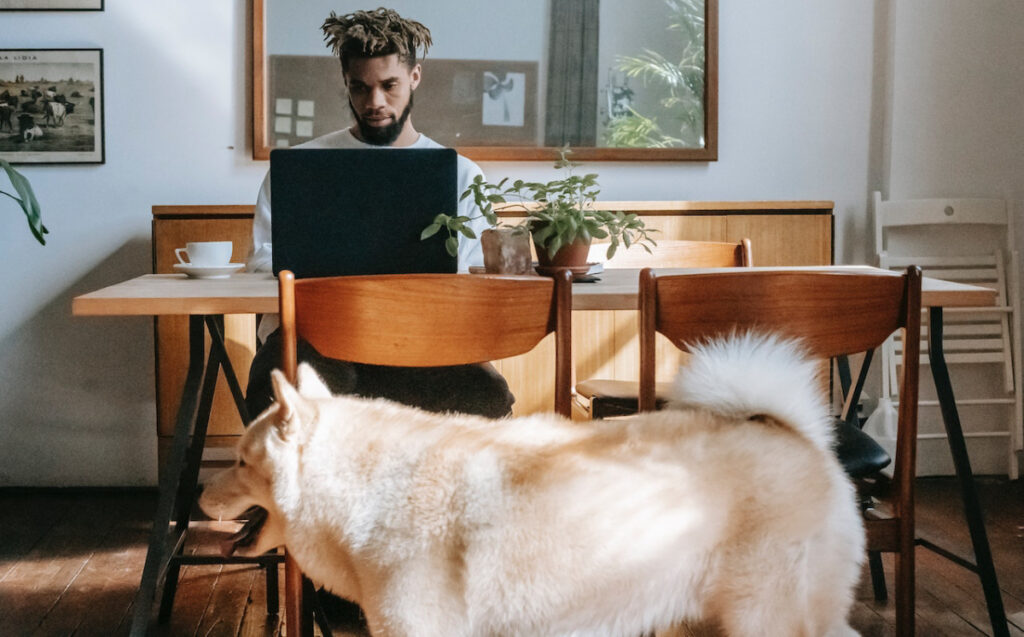
If you cannot provide regular opportunities for your dog to go outside due to work or other commitments, doggy daycare services offer a fantastic solution.
Doggy daycare services are beneficial for dog owners who work long hours and cannot provide midday bathroom breaks for their dogs. These facilities offer a safe and engaging environment where dogs can socialize with other furry friends while receiving proper care.
Socialization opportunities at daycare facilities contribute positively to a dog’s overall well-being while ensuring they don’t suffer from prolonged daytime holding periods. The stimulating environment at daycare keeps dogs mentally and physically active throughout the day. Engaging activities, playtime, and interaction with staff members help prevent excessive stress or anxiety that may arise from extended periods of daytime holding.
By enrolling your dog in a reputable daycare facility, you ensure that they receive regular potty breaks throughout the day when you’re unable to be there yourself. Trained staff members understand the importance of allowing dogs to relieve themselves frequently and will follow a schedule that aligns with your pet’s needs.
If a daycare facility is not available in your area, consider hiring a professional dog walker who can ensure they get the necessary bathroom breaks.
Utilizing technology for convenience
Technology has made it easier than ever to balance work and pet care responsibilities. Consider investing in automatic pet doors or timed feeding systems that allow your furry friend to go outside at scheduled intervals. These devices provide convenience and ensure your pup has frequent bathroom breaks even when you’re not around.
Urinary Tract Health: Recognizing the Connection Between Bladder Issues and Cancer or Infections

Bladder issues in dogs can be indicative of underlying health conditions such as urinary tract infections (UTIs) or even urinary cancer. These problems can manifest in various ways, including frequent urination or difficulty holding pee. Dog owners must know these connections between bladder issues and medical conditions, as early detection and intervention are key to successful treatment.
Signs of urinary tract problems
There are several signs that may indicate a problem with your dog’s urinary tract:
- Frequent urination: If your dog needs to relieve themselves more often than usual, it could be a sign of an underlying issue.
- Straining or discomfort: Difficulty urinating, accompanied by signs of pain or discomfort, may indicate a urinary tract infection or blockage.
- Blood in urine: The presence of blood in your dog’s urine should never be ignored and should prompt immediate veterinary attention.
- Changes in behavior: If your dog suddenly starts urinating indoors, has accidents despite being house-trained, or exhibits signs of distress while trying to hold their pee, it could be a red flag for bladder issues.
Regular veterinary check-ups
Regular veterinary check-ups play a vital role in maintaining the urinary health of dogs. During these visits, veterinarians can conduct comprehensive examinations to identify any potential urinary tract problems. They may perform tests to check for UTIs, kidney stones, or other health issues that could affect the bladder. By catching these problems early on, appropriate treatment plans can be implemented promptly.
Hygiene practices and a balanced diet for urinary tract health
Maintaining good urinary tract health in dogs also relies on proper hygiene practices and a balanced diet. Providing a clean environment for your furry friend helps prevent the accumulation of bacteria that could lead to infections. Regularly cleaning their living spaces and ensuring they have access to fresh water encourages healthy urine production.
A well-balanced diet is essential for overall canine health, including their urinary system. Feeding them high-quality dog food that meets their nutritional needs contributes to optimal bladder function. Some commercial dog foods are specifically formulated to support urinary health by controlling pH levels and reducing the risk of crystal formation.
Taking Proactive Steps for Prevention and Treatment
Understanding the connection between bladder issues and serious medical conditions empowers dog owners to take proactive steps towards prevention and treatment. If you notice any changes in your dog’s urination habits or suspect there may be an issue with their bladder, it is crucial to consult with a veterinarian immediately.
By recognizing these warning signs and seeking veterinary care promptly, you can ensure that your furry friend receives the necessary treatment to address any urinary health concerns. Remember, prevention is always better than cure.
Recap and Final Thoughts on Dogs’ Urine-Holding Abilities
In conclusion, understanding how long dogs can hold their pee is essential for responsible pet ownership. Factors such as mental stimulation, activity levels, size, breed, and overall health play a significant role in a dog’s bladder control. By considering these factors and implementing appropriate strategies, you can help your furry friend hold their pee for extended periods.
To promote better bladder control in your dog, it is crucial to provide them with regular mental stimulation and physical activity. Engaging your dog in interactive play sessions, training exercises, and puzzle toys can help keep their minds occupied and reduce the urge to urinate frequently.
Maintaining a consistent bathroom routine can contribute to better bladder control. Understanding how often dogs need to urinate based on their age, size, and breed will allow you to establish a suitable schedule that aligns with their needs. Furthermore, incorporating positive reinforcement techniques during potty training can assist in teaching your dog to hold their pee for longer durations.
A balanced diet also plays a vital role in urinary health and bladder control. Providing your dog with high-quality food that meets their nutritional requirements can support optimal urinary tract function. It is advisable to consult with a veterinarian to determine the most appropriate diet for your specific dog.
Remember that neglecting your dog’s need to relieve themselves can have adverse consequences on their overall well-being. Holding urine for extended periods may lead to urinary tract infections or other health issues. Therefore, it is crucial to prioritize regular bathroom breaks throughout the day and consider options like doggy daycare if necessary.
In summary, maximizing your dog’s bladder control involves ensuring they receive adequate mental stimulation and physical activity while considering factors such as size, breed, diet, and overall health.
By implementing appropriate strategies tailored to your dog’s needs and providing consistent potty training routines, you can support them in comfortably holding their pee for extended periods.
Frequently Asked Questions about Dogs’ Bladder Control
Q1: Can dogs hold their pee overnight?
A: Yes, dogs can hold their pee overnight, but the duration varies depending on age, health, and training. It is important to gradually increase the time your dog spends without urinating during the night while monitoring for any signs of discomfort or accidents.
Q2: How often should I let my dog out to pee?
A: The frequency at which you should let your dog out to pee depends on various factors, including age, size, and activity level. As a general guideline, adult dogs typically need to urinate every 4-6 hours. Puppies and smaller breeds may require more frequent bathroom breaks.
Q3: Will neutering/spaying affect my dog’s bladder control?
A: Neutering or spaying your dog does not directly impact their bladder control. However, it may affect their hormone levels and metabolism, potentially leading to increased water intake and more frequent urination. Consulting with a veterinarian can provide further insights into how these procedures may affect your specific dog.
Q4: Can certain medications affect a dog’s ability to hold their pee?
A: Yes, some medications can impact a dog’s bladder control. Diuretics or medicines that increase urine production may result in more frequent urination. If you notice any changes in your dog’s urinary habits after starting a new medication, it is advisable to consult with your veterinarian.
Q5: Are there any natural remedies to improve a dog’s bladder control?
A: While there are no guaranteed natural remedies for improving a dog’s bladder control, several approaches may help support urinary health. These include providing ample opportunities for exercise and mental stimulation, maintaining a balanced diet rich in nutrients beneficial for the urinary tract, and ensuring regular access to fresh water throughout the day.
Q6: Should I be concerned if my older dog has difficulty holding their pee?
A: If you notice that your older dog is experiencing difficulty holding their pee or frequently having accidents indoors, it could be an indication of an underlying health issue such as urinary incontinence or bladder infections. It is advisable to consult with a veterinarian for a proper diagnosis and appropriate treatment options.
Q7: Can anxiety affect a dog’s bladder control?
A: Yes, anxiety can potentially affect a dog’s bladder control. Stress and anxiety may lead to an increased frequency of urination or accidents indoors. Addressing the underlying causes of anxiety through behavior modification techniques or consulting with a professional trainer can help improve your dog’s bladder control in such cases.