


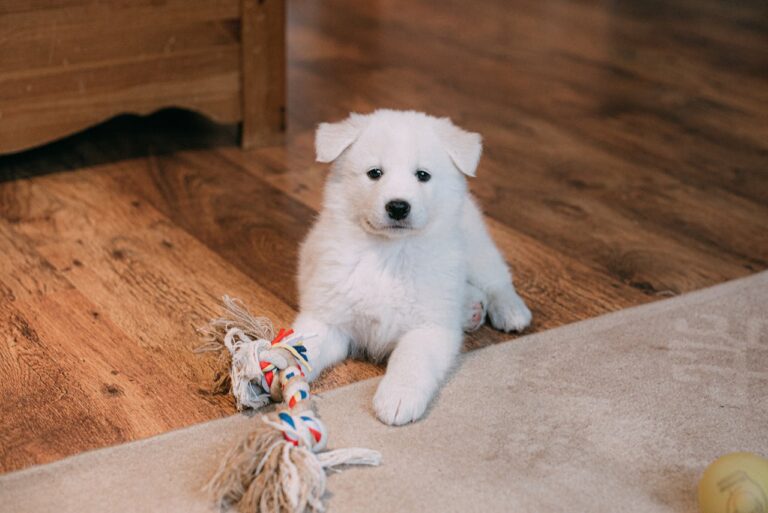
Basics of Puppy Training
Why Start Early?
Jumping into training right when your little furball comes home is a game changer. We’re talking around 8 weeks old (PetMD). Kicking off early means your puppy’s picking up the best habits from the get-go, which is super important to dodge future headaches.
By doing this, your puppy gets the lowdown on what’s cool and what’s not, you two grow closer, and you mold a confident, happy hound.
| Age of Puppy | Training Focus | Importance |
|---|---|---|
| 8-12 weeks | Basic stuff like sit, stay, come | Kickstarts obedience |
| 12-16 weeks | Fancier commands, leash walking | Nails down good habits |
| 16+ weeks | Making friends, learning always | Nips issues in the bud |
Puppy Learning Phases
Puppies are all ears, especially between 6 to 16 weeks (PetMD). They’re soaking up everything around them! Keep the training seshes short and sweet—just like 5 to 10 minutes will do. Close it out with a win so your puppy’s pumped for more.
Here’s the scoop for smooth training:
- Patience: Your pup tunes in better to a mellow approach.
- Consistency: Stick to the same words and treats.
- Clear Directions: Keep your commands short and snappy.
Need more how-to’s? Dive into training techniques here.
To dodge newbie blunders like a pro, check our guide on puppy training oopsies to avoid.
Get your pup mingling early, it’s the secret ingredient to a sociable four-paw friend. Peek into our socialization tips and see how it pays off (Performance K9 Training).
Going the distance with early training sets the stage for years of paw-sitive vibes. Got a wild child on your hands? Tune into our high-energy dog tricks.
Positive Reinforcement Training
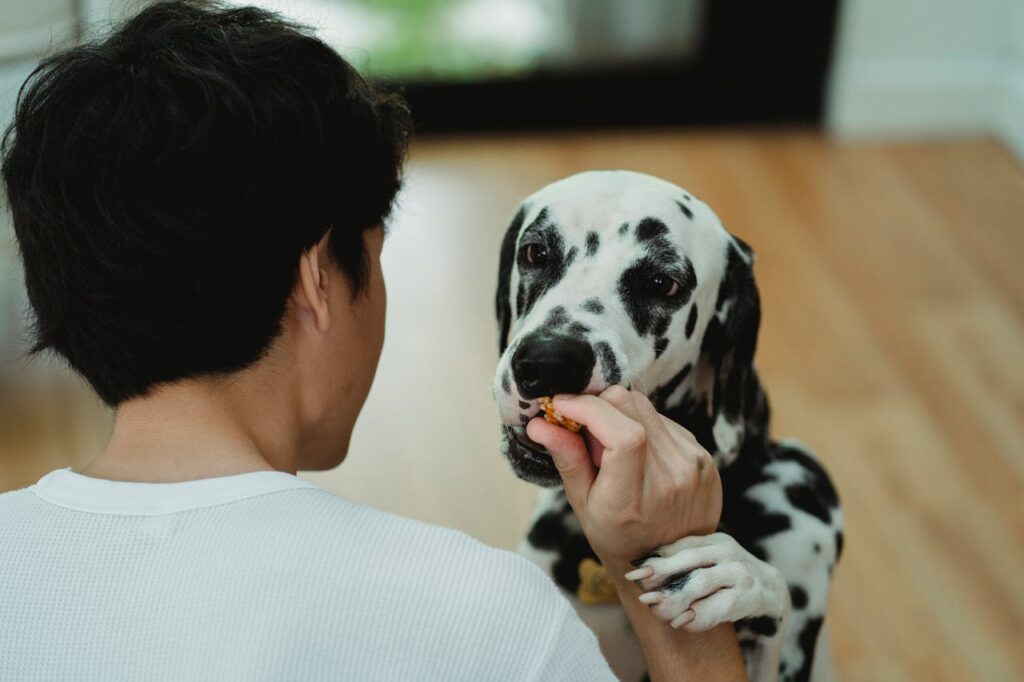
Training your furry friend with positive reinforcement is a game-changer. This approach opens the door to effective training sessions and can improve both the atmosphere and outcome. Let’s see why this method is the bee’s knees and how you can tailor rewards to get your puppy wagging with excitement.
Benefits of Positive Methods
When it comes to getting your puppy to behave, you want to focus on giving a thumbs-up to the good stuff they do. Science says this approach is better than the “old-school” ways that often leaned on showing who’s boss (PetMD):
- Fosters Trust: Treating your puppy with positivity means building a friendship based on trust. This bond becomes the backbone of a strong training partnership between you two.
- Cuts Out the Fear: Ditch anything that might spook your pup. Fear-based tactics can cause anxiety and mess with your bond. Positive methods keep your pup relaxed and ready to learn.
- Boosts Brainpower: Dogs trained with good vibes show off better problem-solving skills because they’re excited to figure things out and learn new stuff.
- Gets ‘Em Pumped: Good rewards get your puppy amped to keep learning, turning training time into playtime.
Curious how this stacks up against other methods? Check out our article on positive reinforcement vs. discipline.
Effective Reward Systems
A killer reward system is what makes the magic happen in training. Your pup’s fave treats, timely praises, or playful moments lead the way (Ruffgers). Here’s what to think about:
Treats
Tasty treats are the superstars of training. Go for something small and scrumptious to save for special moments. Mix it up depending on how tough the trick is.
| Trick Difficulty | Treat Type | Give It As… |
|---|---|---|
| Easy (like “Sit”) | Tiny Kibble | All the Time |
| Mid-Level (like “Stay”) | Little Cheese Cubes | Here and There |
| Hard Tricks (like “Come Here” in the Park) | Little Chicken Chunks | Sparingly |
Praise
Shower your pup with happy words and pets right after they nail it. Let them know they’re doing an awesome job immediately.
Playtime
If your pup’s all about their toys, then using them as a reward can make training a blast. Games like fetch or tug-of-war can show them you mean “good job.”
Affection
Never underestimate the power of a cuddle or ear scratch. For pups who crave attention, this can be the best kind of reward.
Hot Tips for Rewards
- Quick Draw: Make sure to hand out rewards right after your pup does something good. Timing makes it stick.
- Stick to It: Be the same with your rewards so they know what’s coming.
- Mix It Up: Keep your pup guessing and engaged by changing up the rewards once in a while.
Interested in more enchanting tricks? Check out detailed strategies in our dog training techniques.
By keeping these rewards in pocket, you’ll make training a fun ride for both you and your pup. Curious about other nifty training methods? Peek at our clicker training for dogs or tips for housebreaking and potty training 101.
Training Techniques for Puppies
Getting a new puppy is like bringing a whirlwind of energy into your life. It’s heaps of fun but can be a bit of a roller coaster when you’re trying to teach them new tricks. No worries, though—here’s the lowdown on how to make training time a breeze for both you and your little furball!
Short Training Sessions
Puppies are like tiny bundles of attention deficit—they can’t focus for too long! So you want to keep training sessions short and sweet. The smart folks over at PetMD suggest just five-minute bursts, adding up to a maximum of 15 minutes a day. This way, your little one stays excited without getting frazzled.
Got your puppy and don’t know when to start? Dive right in when they’re about eight weeks old, which is when most of these little guys are ready to go home (American Kennel Club). Kick things off with basics like “Sit,” “Come,” and “Down,” and then slowly up the ante with more advanced stuff.
| Puppy Age | Training Focus | Duration per Session |
|---|---|---|
| 8-10 weeks | Basic commands (Sit, Come, Down) | 5 minutes |
| 10-12 weeks | New commands and tricks | 5-10 minutes |
| 3-6 months | Reinforcement and routine | 10 minutes |
End each session on a high note so your puppy keeps wagging their tail for the next round!
Consistency in Commands
Doing the same thing over and over might sound dull, but it’s the golden rule for teaching puppies. Always use the same words and signals; otherwise, your pup might tilt its head in confusion like you’re speaking Swahili.
Rally your troops at home to stick to the same playbook. Everyone should use the same commands and hand signals, making it as easy as pie for your puppy to catch on.
Some quick tips for staying steady:
- Pair simple praise words like “yes” or “good” with treats to reward good behavior.
- Stick to one-word commands (like “Sit,” “Stay,” “Come”).
- Mix verbal prompts with hand gestures for clarity.
And timing matters too! Establish a regular training routine. The Puppy Academy suggests rolling out new commands at various growth stages, giving your puppy the best shot at becoming a quick learner.
With these no-nonsense tips, you’re on your way to shaping a well-behaved canine companion. Dive into our advanced training techniques for adult dogs for deeper insights. Curious about the carrot over the stick? Check out our positive reinforcement techniques. And if your puppy’s venturing out, swing by for socialization tips for puppies.
Socialization and Confidence Building
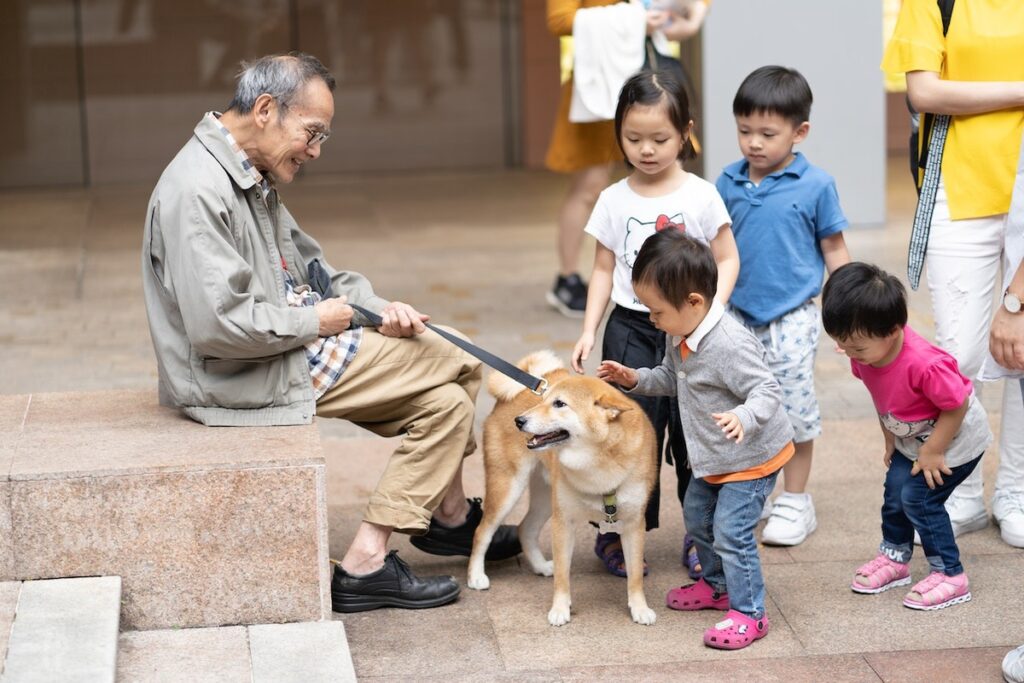
Getting your pup out and about is a big deal when it comes to teaching them manners and boosting their confidence. Getting them familiar with different places and stuff early helps them grow into a well-rounded, self-assured dog. The sooner you start, the better your fluffy buddy will adapt.
Exposing Puppies to New Environments
Throwing your puppy into new and exciting spaces is a must! Getting to know the sights, sounds, and smells early on helps teach them that life isn’t all that scary, but inviting. Over at Performance K9 Training, it’s a must-do for shaping a bold and adaptable pooch.
Check out this list of must-see spots:
| Environment/Stimuli | Examples |
|---|---|
| People | Different ages, from toddlers to grandmas |
| Animals | Other dogs, cats, even the odd rabbit or guinea pig |
| Sounds | Cars zooming by, vacuum cleaners going off, big bangs from thunderstorms |
| Textures | Soft grass, hard concrete, fluffy carpets |
| Objects | Open umbrellas, spinning bicycles, random household items |
To get the best out of these outings, keep it fun with some treats or belly rubs. Peek at positive reinforcement tricks to make these trips something they dig.
Socialization Periods
Knowing your puppy’s social calendar can help in fitting training times to get the best outcomes. Here’s how it all shakes out:
| Period | Age Range | Key Activities |
|---|---|---|
| Neonatal | 0-3 weeks | Keep ’em cozy with easy care and soft touch |
| Primary Socialization | 3-8 weeks | Let new folks hold and play gently with them |
| Secondary Socialization | 8-12 weeks | Take them to new places, ears full of sounds, eyes full of new stuff |
| Fear Impact | 12-16 weeks | Load up on positives, steer clear of the nasties |
| Juvenile | 4-6 months | Keep the fresh experiences rollin’ and teach some tricks |
| Adolescence | 6-18 months | Time for some tough learning and make doggy friends |
As noted by DW Dog Training, piling on good times during these stages is huge. Avoid bad vibes—they can make future appointments unsafe. It’s key to keep an eye on your pup’s reactions and tweak what you do to match their bravery level.
Keep these in mind:
- Those 8 to 16 weeks? Goldmine time for meet-and-greets (24PetWatch).
- Every furball’s different, moving at their own pace. Go easy and figure out what’s chill for them.
For a bunch more know-how on raising a happy, sociable pup, hit up our article on socialization tips for puppies. Putting in the work now pays off, giving you a cool, collected dog ready to enjoy life with you.
Essential Commands for Puppies
Teaching Recall (“Come”)
Teaching your puppy to respond to “come” is super important. It’s like handing them a little lifeline for safety, especially when they’re exploring without a leash or sniffing around a sketchy situation.
Here’s how you can get your puppy to master the “come” command:
- Start Inside: Begin the teaching session in a chill and calm spot in your house.
- Holler their Name: Call out your pup’s name in a cheerful, sing-song voice, followed by the magical “come.”
- Treat Overload: When your pooch trots on over, shower them with treats and pats. Make it feel like they just won the puppy lottery.
Crate Training for Puppies
Let’s talk about crates. They can be your puppy’s little safe haven and help keep things in order around the house.
Here’s how to ease your puppy into loving their crate:
- Introduce the Space: Plop the crate somewhere busy in your house to make it part of the furniture.
- Make it Comfy: Give the inside a makeover with cozy bedding and their fave chew toys.
- Slowly Settle In: Let your pup get to know the crate while it’s open, then gradually get them comfy with the door being closed for longer times.
- Rewards for Calmness: Whenever your furball steps in or stays calm in the crate, treat them like royalty.
- No Time-Outs Allowed: Remember, the crate is a chill zone, not a ‘you’ve been naughty’ corner.
Encouraging Play and Bonding
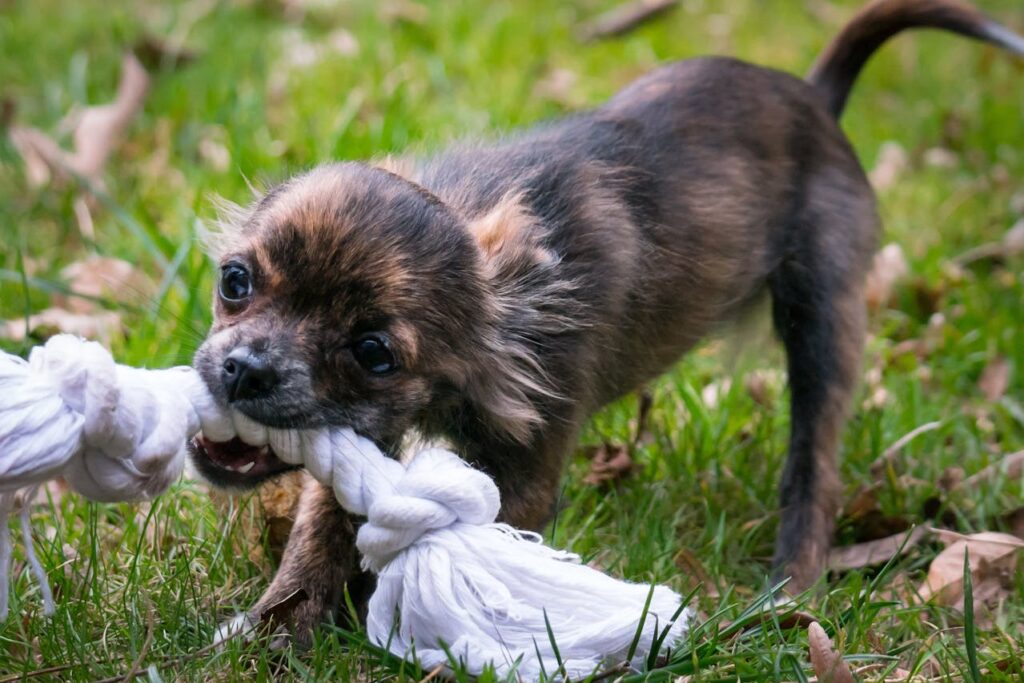
Playing isn’t just about burning energy; it’s top-tier bonding. It’s like puppy therapy that builds them up and brings you closer.
Shake up your usual play routine with these ideas:
- Fun Toys: Grab interactive stuff like bouncy balls or tug toys that rope you both into the fun.
- Brainy Games: Fetch or hide-and-seek are not just games. They’re mini boot camps for your pup’s noggin.
- Training + Fun: Merge learning new tricks with playing games. Your pup will learn without realizing they’re in class.
To dig into more tips and get a deeper dive into training techniques, check out our treasure trove of articles. Teach your puppy like a pro and watch them grow into a rockstar dog!
Advanced Training Practices
Complex Command Training
So, your lil’ furball’s got the hang of the basics, huh? Well, time to up the ante! Once they hit that sweet spot of 3 to 4 months, start mixing in some next-level commands like “Stay,” “Leave-It,” and playful fetch or tug games. Not only does this boost their “Drop-it,” “Come,” and “Stay” game, but it also keeps training fun and engaging, both indoors and out (The Puppy Academy).
Complex Commands for Puppies:
| Command | What’s It Do? |
|---|---|
| Stay | Gets your pup to chill until you give the all-clear. |
| Leave-It | Steers them away from things you’d rather they ignore. |
| Drop-It | Helps you convince them to let go of that long-lost sock. |
Keep it simple: food, love, repeat. That’s your training motto. This builds a communication bridge between you and your tail-wagger. Want more insights? Check out teaching your dog basic commands.
Training in Distracting Environments
Between 6 months and a year, your four-legged buddy should be making strides in commands, potty sessions, and hitting the social scene. This is the golden phase to sprinkle in some challenges—think distance, time, and a dash of distraction during training (The Puppy Academy).
Leveling up in noisy places cements all that obedience work. Here’s a cheat sheet:
- Kick It Off Easy: Start where the distractions barely whisper.
- Up the Ante Slowly: Toss in more distractions as they get the hang of it.
- Tempt with Tasty Treats: Break out the good stuff—special snacks or beloved toys—for acing commands amidst chaos.
- Stick With It: Your secret sauce is consistency—same commands, same rewards.
Take training on the road: parks, busy streets, anywhere buzzing with life. This helps them focus even when the world around is swirling with chaos. Dig into training tips for therapy & service dogs for more tricks of the trade.
Tips for Advanced Training
- Game On: Build commands into playtime. A round of fetch can double as a “Drop-it” drill.
- Social Butterflying: Keep mingling in fresh settings. New scenes? Bring ’em on for a confidence boost. Peek at our socialization tips for puppies.
- Patience Plus Persistence: Rome wasn’t built in a day, and neither is a well-trained pup. See puppy training mistakes to avoid for what not to do.
With these steps, you’re on the path to crafting a top-notch canine citizen ready to tackle those commands, even when distractions try to steal the spotlight. 🐾