


Benefits of Crate Training
Cozy Hideaway
Think of the crate as your dog’s chill zone, where they can kick back and escape from the world. It’s like their little nook that serves as a bed and refuge rolled into one. Dogs love having a spot that feels like their own private den, giving them a sense of calm and comfort (PAWS).
When you get a puppy, this cozy space can work wonders in helping them settle into their new home, giving them stability and a routine. Dogs thrive on being part of the family action, so keeping them indoors is usually best (PAWS). Plus, a crate acts as their little retreat from stress, helping them find their zen.
Curbing Misbehavior
Crates are your secret weapon against canine mischief. When dogs are left alone outside too long, they might start causing havoc—think barking fits, digging ditches, vaulting over fences, or turning your shoes into chew toys. Crate training keeps them woven into the family fabric, which lowers the chance of them going wild.
And ever find yourself in a panic situation? Dogs get used to crates, making it easier to scoop them up and keep them safe during an emergency (AKC). If you ever need to hustle them into a shelter, being comfy in a crate is a lifesaver.
For the pups post-surgery, a crate is like their recovery suite. It helps them rest easy, cuts down on potential issues, and gets them back on their paws sooner. Mature dogs grappling with health woes like leaky bladders or achy joints also find solace in their crate, dodging extra stress and dodging more health hiccups.
Need more tips on making crate time a breeze? Swing by our detailed guide on dog training techniques.
Importance of Crate Training

House Training Assistance
Crate training is like a secret weapon in your house, making puppy potty training a breeze. It taps into your puppy’s natural urge to keep their sleeping space tidy (Ladies Working Dog Group). Making regular trips from the crate to the yard turns into a predictable routine that’s less hassle for both you and your furry buddy.
- Regular Trips: Keep a consistent schedule for potty breaks.
- Happy Place: Make the crate a happy zone with toys and treats.
Role in Preventing Accidents
Think of crates as your ally in avoiding “oops” moments at home. By keeping your pup’s wanderings in check, you slash the odds of unsupervised mishaps. This method supercharges potty training (Pupford).
Ease the pup into the crate life; don’t just chuck ’em in there. With treats and gentle nudges, you create a positive vibe—it’s about making the crate a cozy den, not a puppy prison (MyFantasticFriend).
Aid in Behavior Modification
Crate training can also be your partner in crime when tackling naughty behaviors. It’s not magic, but it’s close—giving your dog a safe haven while curbing bad habits.
| Behavioral Issue | Crate Training Perks |
|---|---|
| Chewing Stuff | Keeps them away from forbidden goodies. |
| Jumping Madness | Stops them from bouncing on the guests. |
| Potty Chaos | Provides a bladder control boot camp. (Unleash Fido) |
Make the crate a chill hangout. Start slow—let your pooch pop in and out freely at first. As they get comfy, gradually up the crate time.
For more nifty tricks on training your pooch like a pro, check these out:
Practical Uses of Crate Training
Crate training has some real everyday perks for both you and your pup. Let’s jump into two big ones: travel safety and healing up after they’re feeling sick or have had surgery.
Travel Safety

Keeping it safe on the go is where crate training shines. Whether you’re hitting the highway or zipping across the sky, a crate is like your dog’s personal mobile home, cozy and secure. No distractions for the driver, just a snug spot for your furry co-pilot. If the road gets bumpy or there’s an abrupt stop, your dog’s crate acts like a tiny fortress.
| Traveling By | How Crate Training Helps |
|---|---|
| Car | Keeps your buddy from roaming, cuts down on driver distractions, adds comfort. |
| Airplane | Meets airline rules, calms nerves, keeps them safe. |
| Public Rides | Controls their movement, eases travel jitters, makes trips way better. |
Crate training helps your dog chill out in snug spaces, making any trip a breeze. If you need advice on how to train them to walk nicely on a leash, we’ve got the perfect guide for you.
Recovery from Illness or Surgery
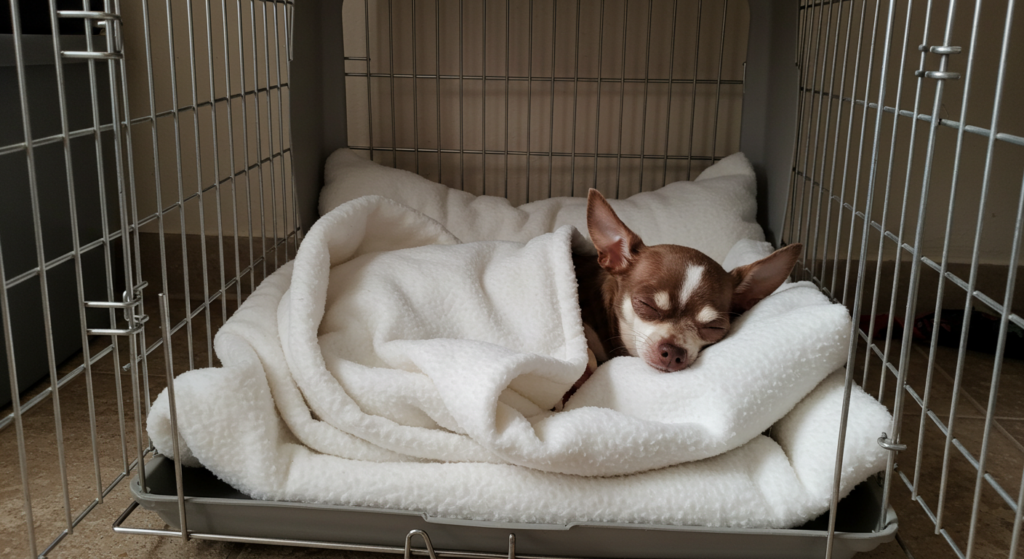
If your dog’s under the weather or just got back from the vet, a crate is perfect for their time-off. It’s like their own little get-better den, where they can relax and recover comfortably. The crate keeps them from overdoing it and is a chill space for healing.
| Recovery Times | Crate Training Perks |
|---|---|
| After Surgery | Stops them from overdoing it, helps them get better faster, comfy space. |
| When They’re Sick | Quiet place to chill, helps recovery, cuts down on stress. |
| Older Pups | Eases joint pain, safe spot to nap, makes vet trips easier. |
Keeping your four-legged buddy calm and comfy can really speed up their road to recovery. If you’re starting from scratch with a new pup, head to our basic obedience training guide.
With crate training, you’re adding extra care to your dog’s travel and recovery times. Always think positive vibes when it comes to the crate, so it feels like a happy place for them. For more training tips for therapy & service dogs, our articles are here to help.
Crate Training Considerations
Thinking about crate training your pup? Good on ya! There are a few things you gotta mull over to make sure it’s a good time for both you and your dog.
Crate Selection and Size
Picking the right crate is like picking the right pair of shoes—it needs to fit just right. Your dog’s crate should allow them to stand up, spin around, and lie down without feeling squashy, but it shouldn’t double as a luxury apartment with a bathroom at the end. If you’ve got a growing puppy, get an adult-size crate with a handy divider so you can customize it as they grow.
| Dog Weight (lbs) | Crate Size (inches) |
|---|---|
| Up to 25 | 24 |
| 25 – 50 | 30 |
| 50 – 75 | 36 |
| 75 – 100 | 42 |
| 100+ | 48+ |
The crate’s material matters too. Metal crates are pretty sturdy and breezy, plastic ones are snug and great for traveling, but if your dog’s a chewer, soft-sided crates might not stand a chance.
Gradual Introduction & Positive Associations
Kicking off crate time the right way means going slow and steady. Leave the crate open in a busy spot at home and let Fido wander in. Toss in their fave toys, treats, or even dinner, making it feel like Disneyland for dogs. Good vibes in the crate will help your pup see it as a little slice of heaven.
Here’s the 5-step plan to ease your buddy into it:
- Step 1: Set the crate up in a bustling place with the door open.
- Step 2: Place treats or meals inside to invite exploration.
- Step 3: Cheer them on when they step in and reward the bravery.
- Step 4: Start closing the door for short stints while they’re inside.
- Step 5: Gradually let them chill in there longer with the door shut.
Crate training is a nifty trick for potty training too. Dogs aren’t keen on doing their business where they sleep, so you can make use of that by creating a routine that includes regular trips from inside to outside.
By picking the right crate and easing your dog into it with a sprinkle of patience and positivity, you’re setting the stage for crate success. Your dog will love their new hangout spot and it’ll help with all sorts of training. If you’re keen for more dog training tips, there’s a whole world out there to explore!
Potential Drawbacks of Crate Training
Nobody likes bad surprises, right? While crate training’s got its perks, let’s not put on blinders—there are a few issues that might get in the way if you’re thinking about giving this a shot for your furry pal. We’ll chat about how it might mess with separation anxiety and why keeping a pup locked up too long ain’t a great idea.

Impact on Separation Anxiety
Got a pup that turns into a hot mess when left alone? Crate training might not be the way to go. Unleash Fido says crating could crank up those separation jitters. Your dog might whine, pace, shake like a leaf, bark their heart out, or go full-on Tasmanian devil on your furniture. Locking them in a crate can lead to an all-out panic fest and some frantic Houdini acts, which can end up hurting your pup.
| Symptom | Behavior |
|---|---|
| Whining | Non-stop vocal dramas |
| Pacing | Nervous laps around the room |
| Trembling | Shivers when you’re about to bail |
| Excessive Barking | Turns into a broken record when alone |
| Destructive Acts | Furniture destroyer, door digger |
| Accidents in House | Potty mishaps indoors |
Got a separation-anxious buddy? Maybe ditch the crate and try something like dog gates. Let ’em have a bit more space to feel chill without feeling boxed in.
Inappropriate for Prolonged Periods
Crates can be cozy, but stretching “nap time” to “all the time” ain’t cool. Your pooch needs to move! My Fantastic Friend warns against turning a crate into your dog’s life sentence. Parking them in there all day can stress them out, leave them bored out of their minds, or even bummed out.
| Duration | Possible Miseries |
|---|---|
| 1-2 hours | No problemo for most doggos |
| 4-6 hours | Stressy times, especially for the young and old |
| 8+ hours | Mental and physical health risks—no bueno for any dog |
Gotta bounce for work? Look into a dog walker, check the dog daycare services, or set up a comfy zone using dog gates so they’ve got room to stretch those legs.
Crate training is just one way to get your mutt to mind their manners. Peek into other dog training techniques and see what floats your boat, keeping both you and your four-legged pal happy.
Alternatives to Crate Training
Maybe you’re a new dog owner, and the whole crate training thing just isn’t clicking. Don’t sweat it! There are plenty of ways to help your furry friend stay safe and out of trouble at home.
Use of Dog Gates

Dog gates come in handy, especially when your dog isn’t keen on the crate idea or freaks out when you’re about to leave. Separation anxiety might have them whining or barking, and a crate could make things worse. Gates offer a way to corral your buddy without that locked-up feeling.
Set ‘em up right, and you’ve got an area where they can safely hang out without turning your house into a chew toy festival. Imagine a dog-friendly zone in the kitchen or a designated room – all the freedom and none of the chaos!
Dog Gates vs. Crates: Quick Comparison
| Feature | Dog Gates | Crates |
|---|---|---|
| Space | More room to zoom | Cozy, sometimes too snug |
| Anxiety Management | Less stress for sensitive pups | Might ramp up anxiety for some |
| Visibility | Full view and interaction | More like peeking through bars |
For tips on picking the best training approach, check out our thoughts on basic obedience training for puppies.
Individual Dog Suitability
Dogs come in all shapes and quirks, and what works for one might not fly for another. Crate training isn’t the hero for every dog, especially if they panic or stress out when confined. For these tail-waggers, a more open setup like dog gates might just be the ticket.
Leaving your dog in a crate all day is a straight-up no-go. It can mess with their body and brain. Instead, try these:
- Bring out the brain-teaser toys and puzzles.
- Give a whirl to clicker training for dogs.
- Go with training mats or pads for housebreaking and potty training.
When hunting down those training hacks, think about your dog’s vibe and what gets their tail wagging. Talk with a vet or a pro trainer for the lowdown on what’ll work best for your four-legged sidekick.
For more juicy info on tailoring training to different dogs, poke around our articles on advanced training techniques for adult dogs and training tips for therapy & service dogs.